From Asian American nutrition research to a high school student’s national mortality study, Jians Media documents diverse perspectives, emerging scholars, and opportunities for educational collaboration.
By Jan Xie | Jians Media
San Antonio, Texas | November 2026

SAN ANTONIO, Texas — The 2026 American Public Health Association (APHA) Annual Meeting and Expo brought together public health researchers, healthcare professionals, educators, students, and community leaders from across the United States and around the world to share research, exchange ideas, and explore solutions to pressing public health challenges.

Reporting from the conference, Jians Media conducted interviews and captured extensive photographs and video footage, with special attention to Asian American researchers, international students, young scholars, and the growing importance of cultural diversity in public health.
Among the highlights were a study examining the relationship between Asian American cultural identity and dietary choices, a high school student’s presentation on national youth mortality patterns, international student research, and encouraging conversations with representatives from the University of Southern California (USC) and Dartmouth College.
Cultural Identity and Nutrition: “I’m Proud of What I Eat — The Voice of Asian Americans”
One of the most compelling presentations documented by Jians Media was “I’m Proud of What I Eat — The Voice of Asian Americans,” a study exploring how cultural identity, immigration experiences, language proficiency, and nutrition education influence dietary preferences among Asian American adults.
The research was presented by Yen Ang, DrPH, RDN, FAND, of Asian Pacific Islander Caucus, with coauthors Yinying Wei, MCN, RD, LD, of the University of Texas Southwestern Medical Center, and Chunyun Xiao, MCN, RD-AP, CSO, CNSC, CMI, FAND, of Stanford Care Health.
Using an online cross-sectional survey of 256 Asian American adults recruited through Asian American community networks, the researchers examined dietary preferences in relation to immigration background, ethnic identity, English proficiency, and exposure to national nutrition education.
According to the study, approximately 70% of respondents were born outside the United States, 70% were first-generation immigrants, 72% spoke English as a second language, and 84% expressed pride in their ethnic identity.
The findings suggested that respondents who expressed stronger ethnic pride, were first-generation immigrants, or spoke English as a second language were more likely to prefer Asian dietary patterns. Greater English proficiency was associated with increased adoption of Western dietary patterns.
The research also raised important questions about conventional nutrition education.
Although 75% of respondents reported having been advised to consume dairy products, only 29% consumed dairy daily. Adherence to the USDA’s MyPlate dietary guidance was also low, at 29%, with many participants identifying dairy consumption recommendations as a reason the guidance did not resonate with their dietary practices.
Lactose intolerance was identified as a major barrier to dairy consumption.
The researchers emphasized the importance of developing culturally responsive nutrition education that recognizes dietary diversity, cultural traditions, and the lived experiences of Asian American communities.
The findings challenge the assumption that one dietary model is equally appropriate for all populations.
For many Asian American families, food is more than nutrition. It represents cultural heritage, family traditions, and a connection to identity across generations.
Jians Media photographed and recorded the presentation, documenting an important conversation about the intersection of culture, food, identity, and public health.
High School Researcher Ellean Chen Presents National Youth Mortality Findings

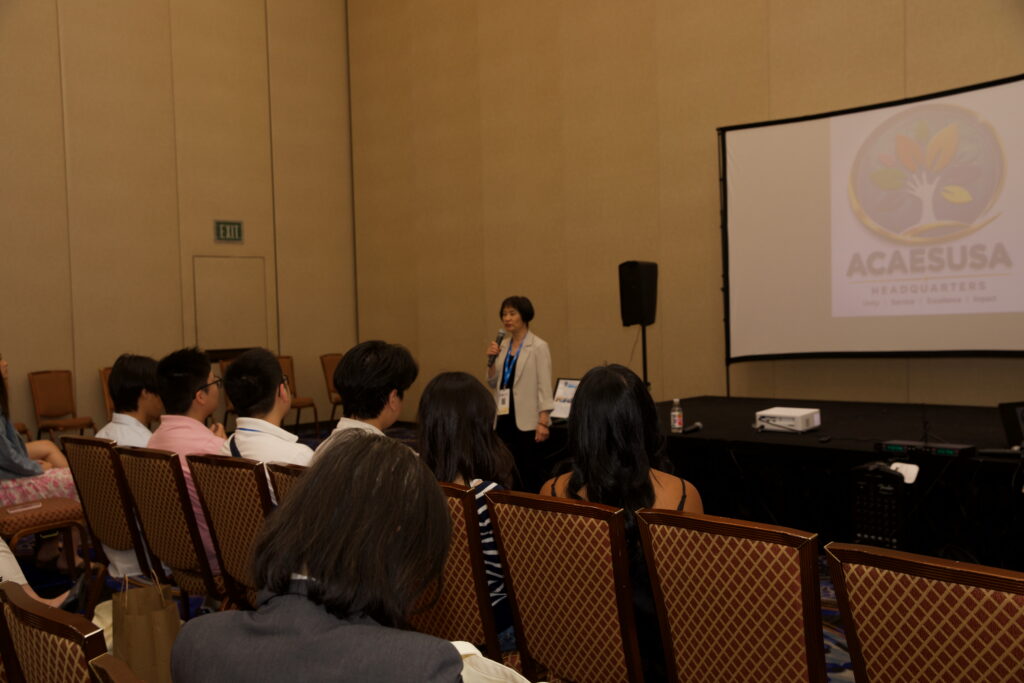
Another significant highlight was the participation of Ellean Chen, a student at Chamblee High School in Georgia, who personally delivered a scientific presentation titled “Mortality Rates of U.S. Youth in 2018–2024 from National Death Surveillance Data.”
Her research collaborators included Jian (Lily) Chen, RN, PhD, CNE, affiliated with the UCA WAVES Youth Mental Health Collaborative, and Xu Ji, PhD, of Emory University.
Jian (Lily) Chen was also present at the conference, while Ellean Chen delivered the presentation.
Using data from the Centers for Disease Control and Prevention’s CDC WONDER database, the researchers analyzed mortality patterns among Americans ages 15–24 from 2018 through 2024.
The study reported an overall youth mortality rate of 76.5 deaths per 100,000 person-years during the study period.
The five leading causes of death were accidents, suicide, homicide, cancer, and heart disease, although their rankings varied among racial and ethnic groups.
One particularly concerning finding was that suicide ranked as the leading cause of death among Asian youth ages 15–24 in the study population. Homicide ranked first among Black youth, while accidents ranked first among other racial and ethnic groups.
The study also found that overall youth mortality increased substantially during the COVID-19 pandemic, driven primarily by increases in accidents and homicides rather than COVID-19 itself. By 2024, the overall mortality rate had returned to its pre-pandemic level.
Mortality rates were highest among male youth, Black youth, and youth residing in Alaska, Mississippi, and Louisiana.
The researchers also identified patterns in the timing and location of deaths. Accidents and homicides occurred more frequently on weekends, while suicides were most frequent on Mondays. More than one-third of youth deaths occurred outside the home or a medical facility.
The research underscored the need for targeted, culturally sensitive, and community-based strategies to prevent youth deaths and improve adolescent and young adult well-being.
For Asian American families and community organizations, the findings raise important questions about youth mental health awareness, access to culturally appropriate support, and the role of schools, families, and community networks in prevention.
Ellean Chen’s presentation also demonstrated the potential for high school students to participate in sophisticated scientific research and contribute meaningfully to national public health discussions.

Jians Media photographed Chen speaking at the podium, capturing an inspiring example of youth engagement in academic research.
Public Health Research, Young Families, and Community Engagement

Jians Media also interviewed Alana Lopez, MPH, whose research focused on “Participatory Co-Adaptation of a Tobacco and Cannabis Harm Reduction Intervention for Spanish-Preferring Latinx Youth Experiencing Housing Instability.”
The study involved collaborators from San Diego Youth Services, the University of California San Diego, and San Diego State University.
The research addressed the importance of involving young people and community partners in developing culturally and linguistically appropriate public health interventions.
Lopez attended the conference with her husband and their five-month-old son.
During the interview, Jians Media photographed the family, capturing a personal moment that reflected another dimension of professional life: balancing family responsibilities with academic research and community service.
Their presence offered a reminder that behind scientific presentations are individuals and families committed to improving the well-being of others.
International Students Bring Global Perspectives to Public Health
The APHA Annual Meeting also provided opportunities to meet international students and emerging researchers from different cultural and educational backgrounds.
Jians Media interviewed a Korean international student, documented a poster presentation by a student from Japan, and photographed the research poster of a Chinese international student studying at a Canadian university.
These encounters highlighted the global nature of public health research and the contributions of international students to scientific exchange.
Poster sessions created opportunities for students, faculty members, researchers, and community representatives to discuss emerging research and exchange ideas.
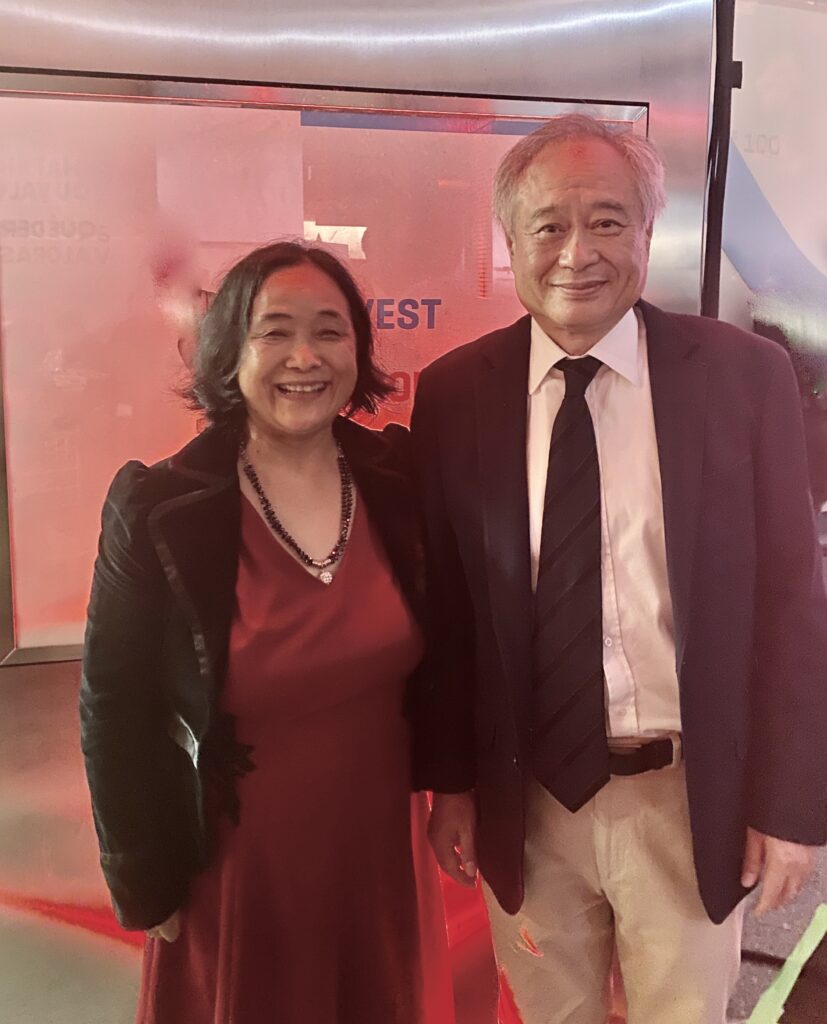
Throughout the conference, Jians Media photographed numerous Asian and Asian American attendees, scientific posters, exhibition displays, and professional interactions.
The coverage reflected the diversity of participants and the increasingly interconnected nature of public health challenges.
USC and Dartmouth Representatives Encourage ACAESUSA Youth
Beyond the scientific sessions, the APHA exhibition hall offered valuable opportunities to connect with universities, public health institutions, and professional organizations.
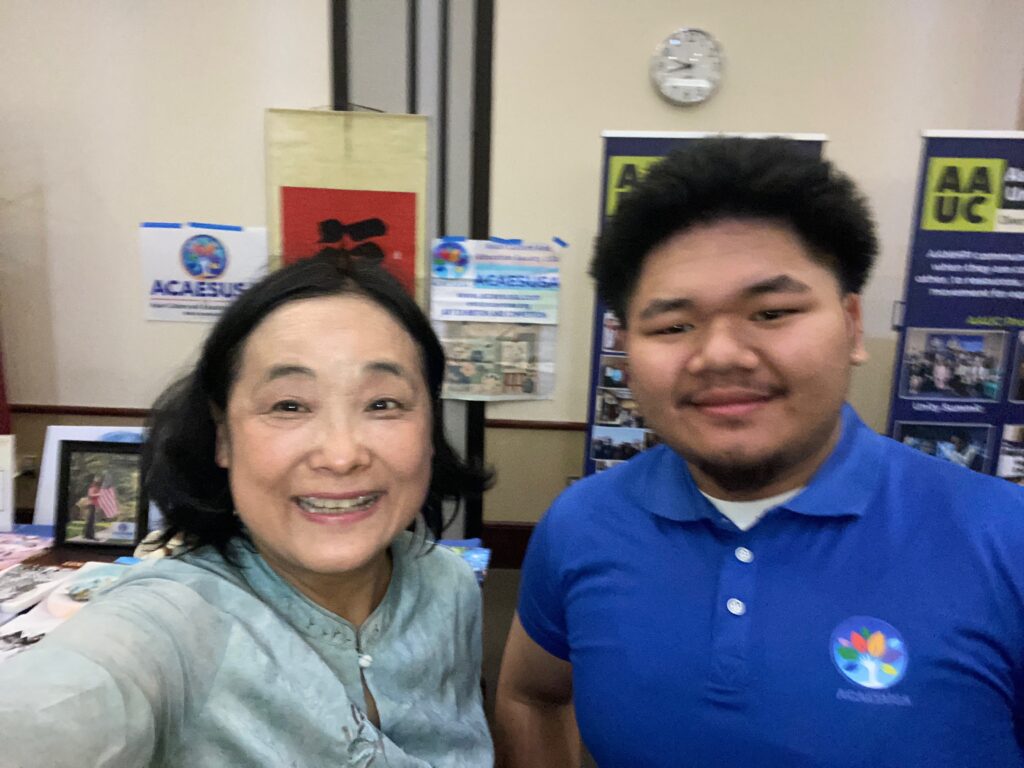
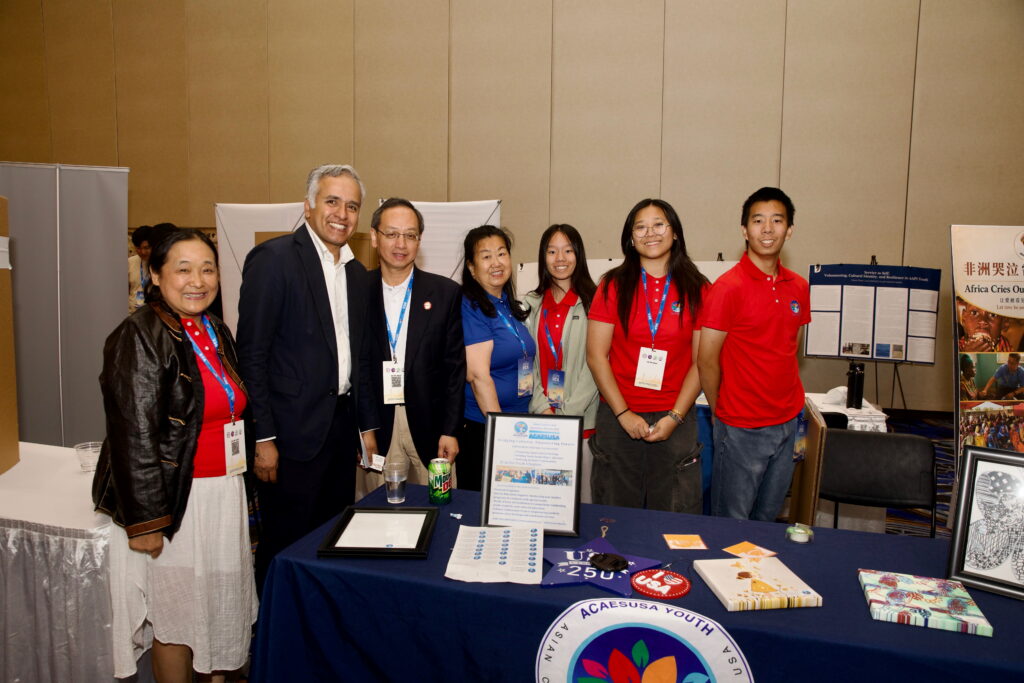
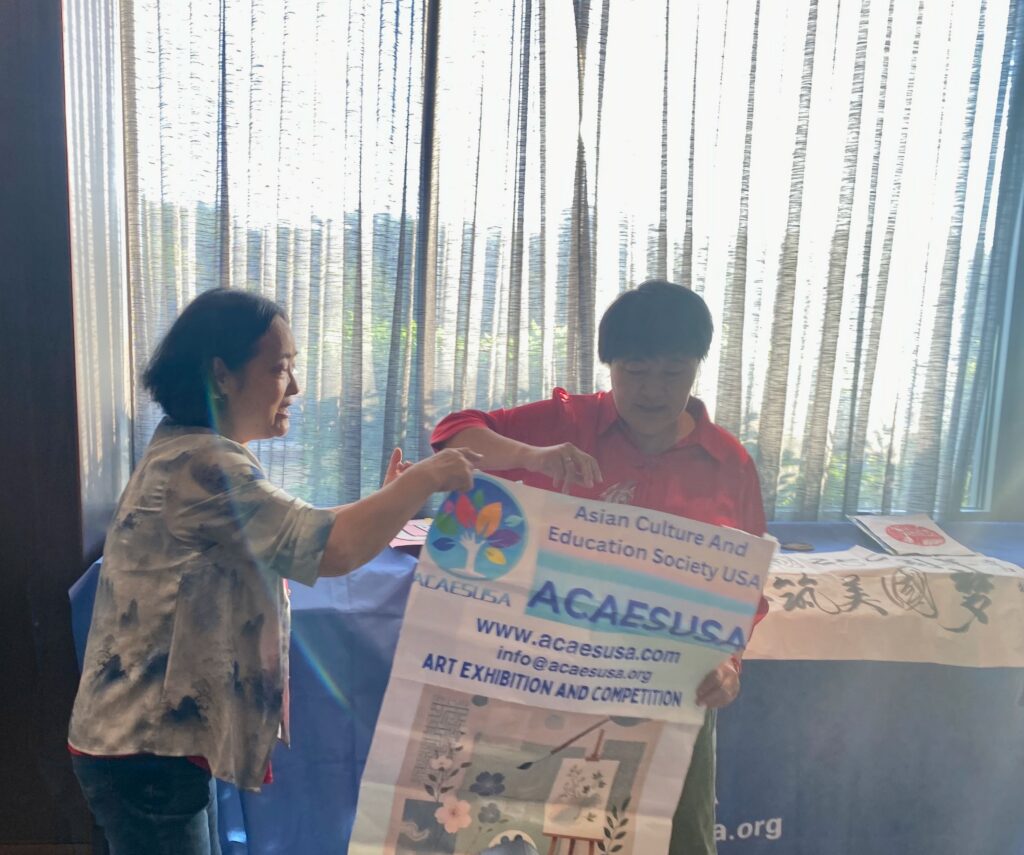
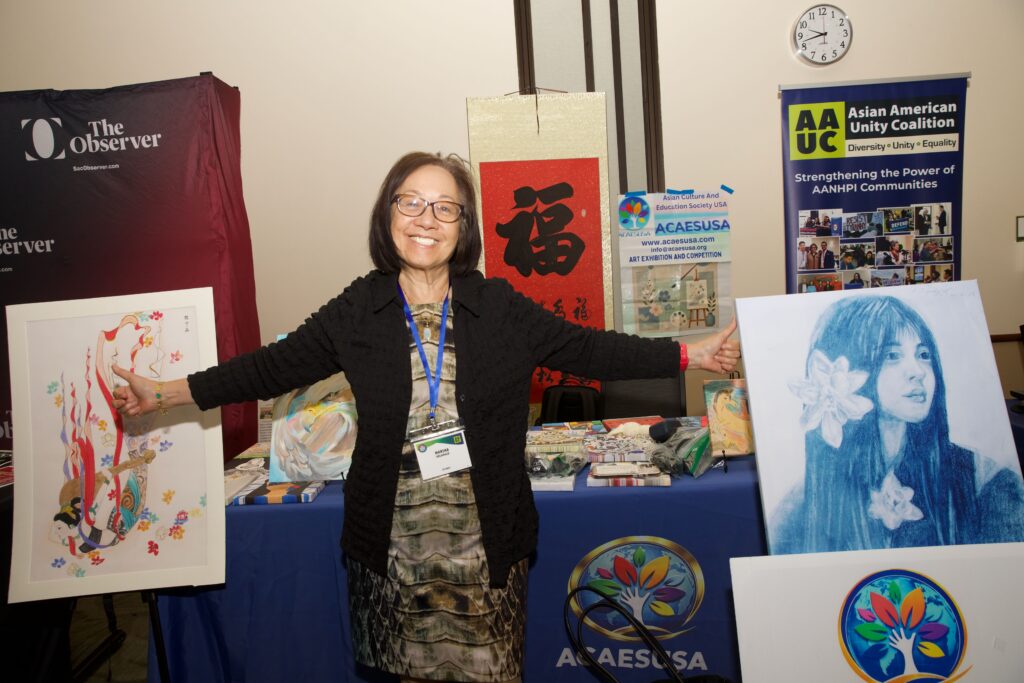
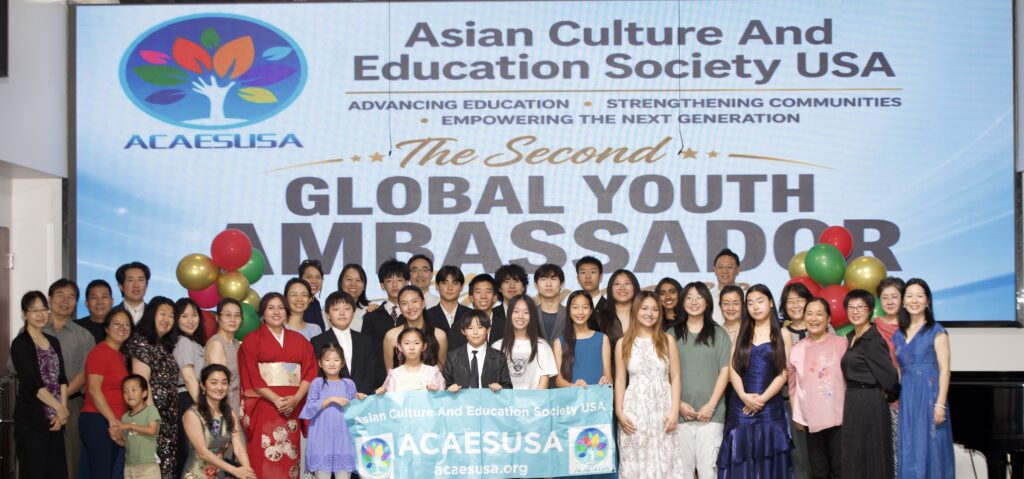
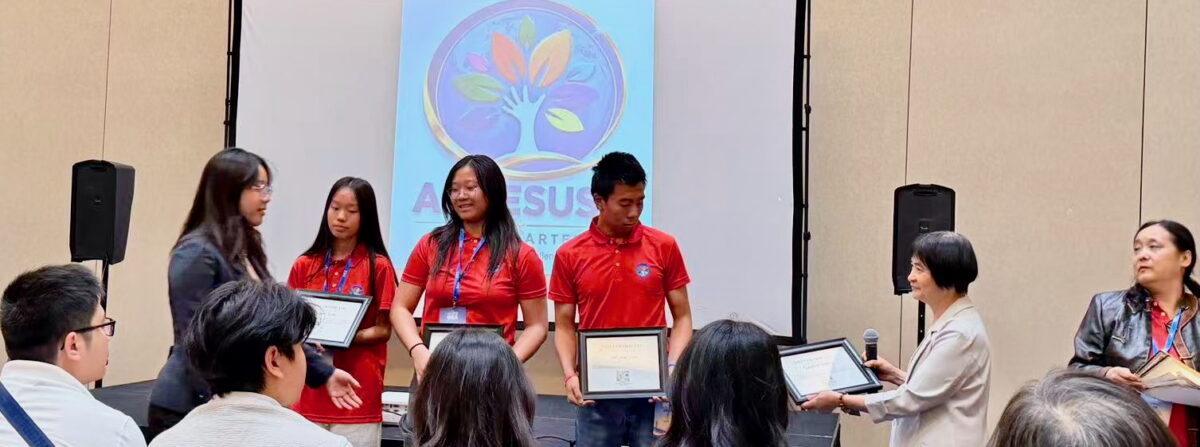
During visits to exhibition booths representing the University of Southern California (USC) and Dartmouth College, Jians Media discussed the youth education, leadership, and community service activities of the Asian Culture And Education Society USA (ACAESUSA).

Representatives at both booths offered encouragement to ACAESUSA’s young members and expressed positive wishes for their educational futures.
At the USC booth, a representative David also recorded a video message encouraging students to pursue their academic ambitions and consider applying to universities.

These interactions highlighted the importance of exposing young people to higher education opportunities, professional role models, and academic environments beyond their local communities.
For ACAESUSA, a nonprofit organization dedicated to cultural understanding, education, youth leadership, and community service, such conversations may open doors to future educational exchanges, mentorship opportunities, and professional relationships.
Although no formal institutional partnerships were announced, the exchanges represented encouraging steps toward broader engagement with higher education and public health communities.
Connecting Cultural Understanding, Scientific Research, and the Next Generation
Across the meeting, researchers explored a broad range of issues, including health equity, adolescent well-being, tobacco exposure, culturally responsive nutrition, community engagement, and youth leadership.
From Yen Ang’s research on Asian American dietary identity to Ellean Chen’s analysis of national youth mortality patterns, the conference demonstrated how cultural perspectives and scientific inquiry can contribute to a more inclusive understanding of public health.
The participation of international students, young researchers, and professionals balancing academic and family responsibilities also reflected the human stories behind scientific discovery.
For Asian American communities, the conference emphasized the importance of ensuring that public health education and prevention efforts reflect cultural experiences and community needs.
For youth-serving organizations such as ACAESUSA, it highlighted the value of connecting students with researchers, universities, professional mentors, and opportunities for meaningful community engagement.
Through its interviews, photography, and video reporting, Jians Media documented not only scientific presentations and research findings but also the people contributing to them — experienced researchers, international students, young families, and emerging scholars.
The 2026 APHA Annual Meeting offered a powerful reminder that public health is not only about data and scientific discoveries. It is also about culture, identity, education, opportunity, and people working together to build healthier communities.


Reporting, Photography, and Video: Jan Xie | Jians Media
Website: www.jianstv.com
Research findings cited in this article are based on conference abstracts and presentations. They should be interpreted within the scope and limitations of the respective studies.